Nobody really prepares you for postpartum recovery. They tell you about the birth. They tell you about the baby. But the part where you are sitting in the hospital bathroom at 2am wondering what just happened to your body — that part gets glossed over.
Here is what I want you to know. What your body just did was extraordinary. Growing and birthing a human being is one of the most physically demanding things a body can experience. And the recovery — the real, honest, sometimes messy recovery — deserves just as much attention and care as everything that came before it.
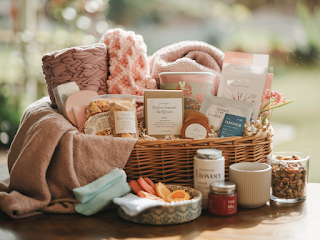
“Postpartum recovery starts from the inside out — make sure you are giving your body the right nutritional support with the best postpartum vitamins for breastfeeding moms to help you heal faster and feel your best during those precious early weeks
This guide covers everything you need to know about postpartum recovery — the essentials to have on hand, the tips that actually help, and the honest truth about what to expect in the weeks after birth.
In this article:
Postpartum Recovery Essentials and Kit
Before we get into tips and advice — let’s talk about what you actually need to have ready before your baby arrives. Having the right postpartum recovery kit prepared in advance is one of the most practical and caring things you can do for your future self.
Postpartum Recovery Kit Essentials — Physical Recovery
Postpartum pads or adult diapers.

You will bleed after birth — this is called lochia and it is completely normal. Regular pads are not enough. Hospital-grade postpartum pads or adult diapers are much more comfortable and absorbent, especially in the first few days. Many moms swear by adult diapers like Depends for the first week postpartum.
Peri bottle.
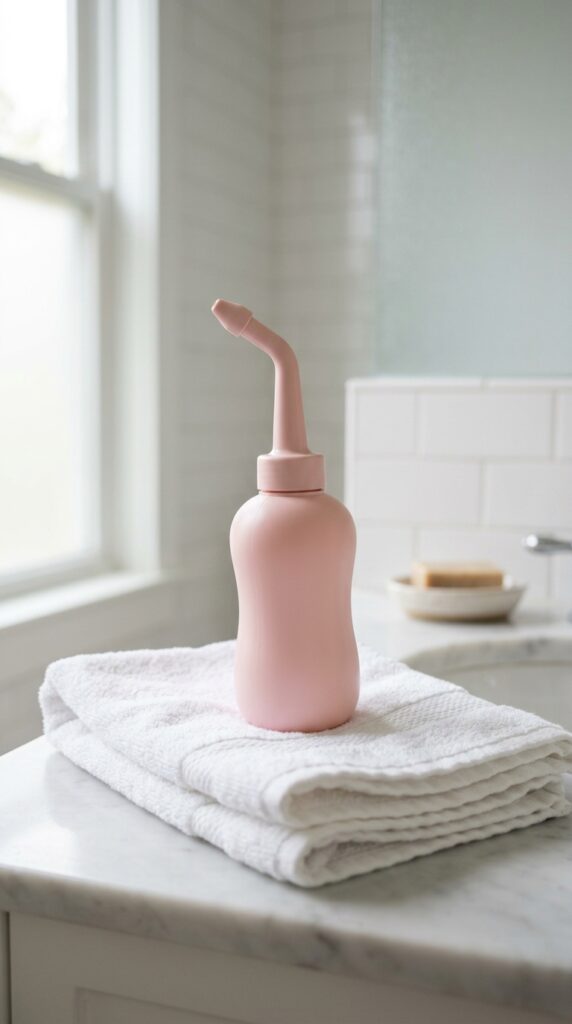
This is non-negotiable in your postpartum kit. A peri bottle — a small squirt bottle filled with warm water — makes going to the bathroom so much more manageable after a vaginal birth. The Frida Mom postpartum peri bottle is widely considered the best on the market because of its angled design that lets you spray without contorting yourself.
Witch hazel pads or Tucks pads.
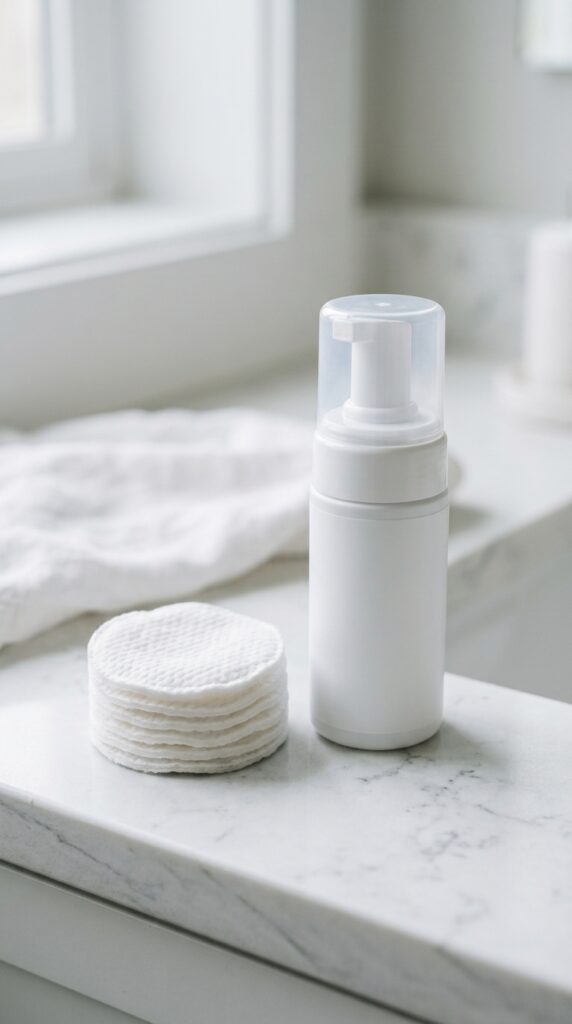
Place these in the refrigerator before your due date. Cold witch hazel pads placed on top of your postpartum pad provide immediate soothing relief for swelling and discomfort. The Frida Mom postpartum recovery line also makes perineal cooling foam that works incredibly well alongside witch hazel pads.
Ice packs for postpartum.
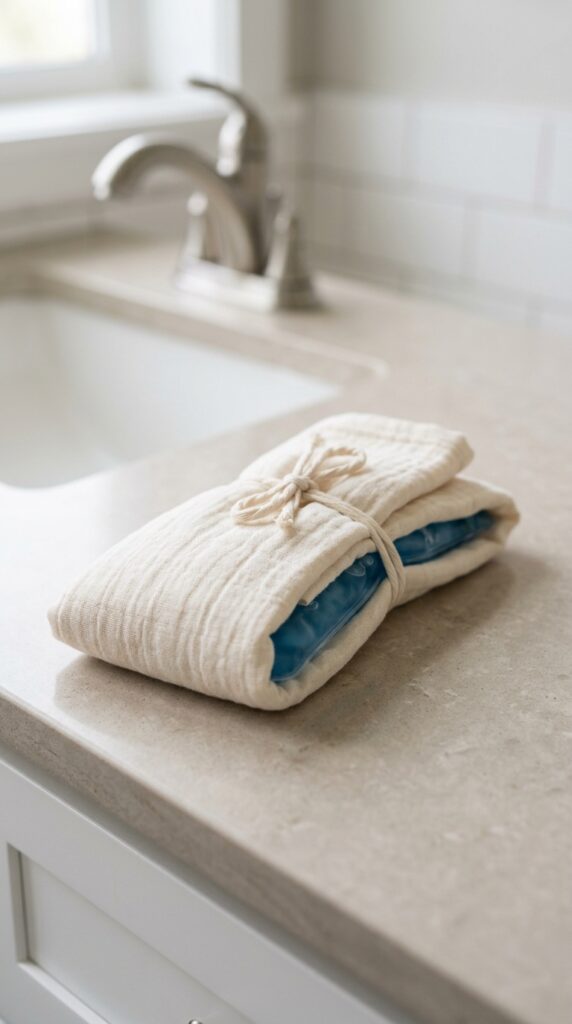
Hospital ice packs or reusable gel packs wrapped in a soft cloth provide much-needed relief for perineal swelling and discomfort in the first few days. Many hospitals send you home with these — ask for extras before you leave.
Stool softeners.

Your first postpartum bowel movement is something nobody warns you about. Stool softeners started in the hospital and continued at home make this significantly more manageable. Ask your healthcare provider which ones are safe to use while breastfeeding.
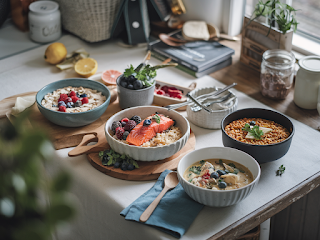
Nourishing your body with the right foods is one of the most powerful things you can do for postpartum recovery — these best postpartum meals for healing and energy are packed with exactly the nutrients your body needs to rebuild strength and restore energy after giving birth
Postpartum belly wrap or binder.

A soft postpartum belly wrap supports your abdomen, reduces swelling, and helps your uterus contract back to its pre-pregnancy size. Many moms find they provide significant comfort and support especially in the first two weeks.
Pain relief.
Your doctor will likely recommend alternating ibuprofen and acetaminophen for postpartum pain management. Have both stocked at home before you deliver. Do not wait until you are in pain to find them.
Nursing pads and nipple cream.
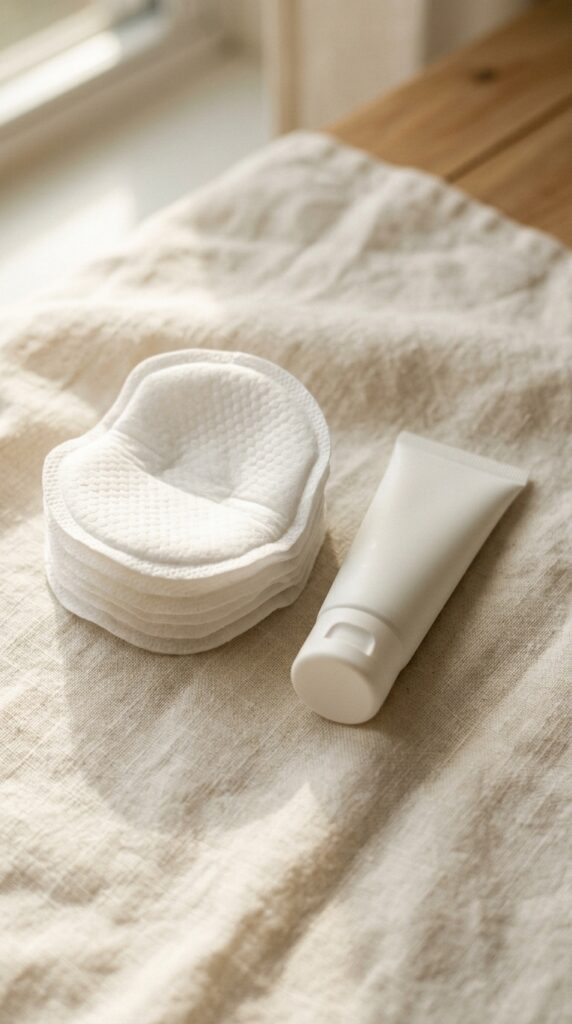
If you are breastfeeding, leaking is real and it starts almost immediately. Have nursing pads ready — disposable for convenience or reusable for sustainability. Lanolin nipple cream or a lanolin-free alternative applied after every feed prevents cracking and soreness.
Postpartum Recovery Kit Essentials — Nutrition and Wellness
Postpartum vitamins.
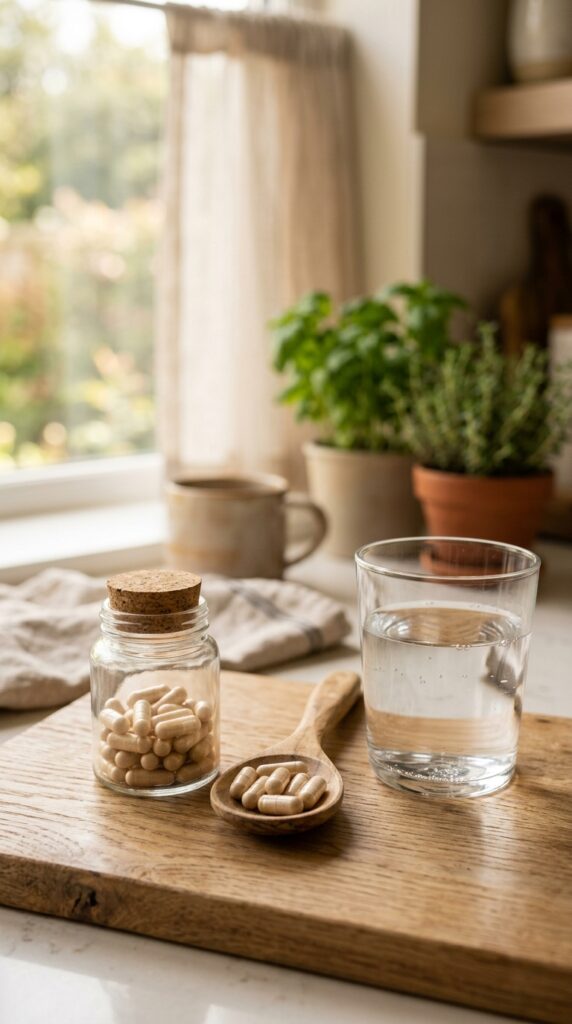
Continue taking your prenatal vitamins through the postpartum period — especially if you are breastfeeding. They support your energy, mood, and milk production. Ask your doctor about adding a vitamin D supplement and an iron supplement if your levels are low.
Healthy snacks.
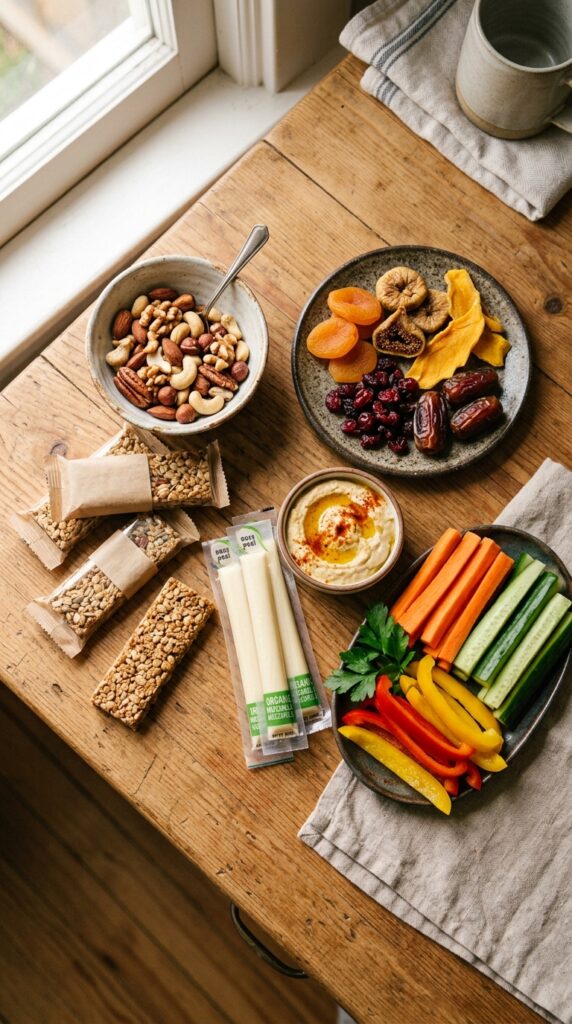
Stock your kitchen before your due date with easy one-handed snacks — nuts, granola bars, dried fruit, string cheese, and pre-cut vegetables. You will be feeding a baby with one hand and desperately hungry with the other. Easy accessible food is not optional — it is essential.
Herbal teas.

Raspberry leaf tea supports uterine healing. Fenugreek tea supports milk production for breastfeeding moms. Chamomile tea promotes relaxation and better sleep. Stock a selection before baby arrives.
Frida Mom postpartum recovery products.
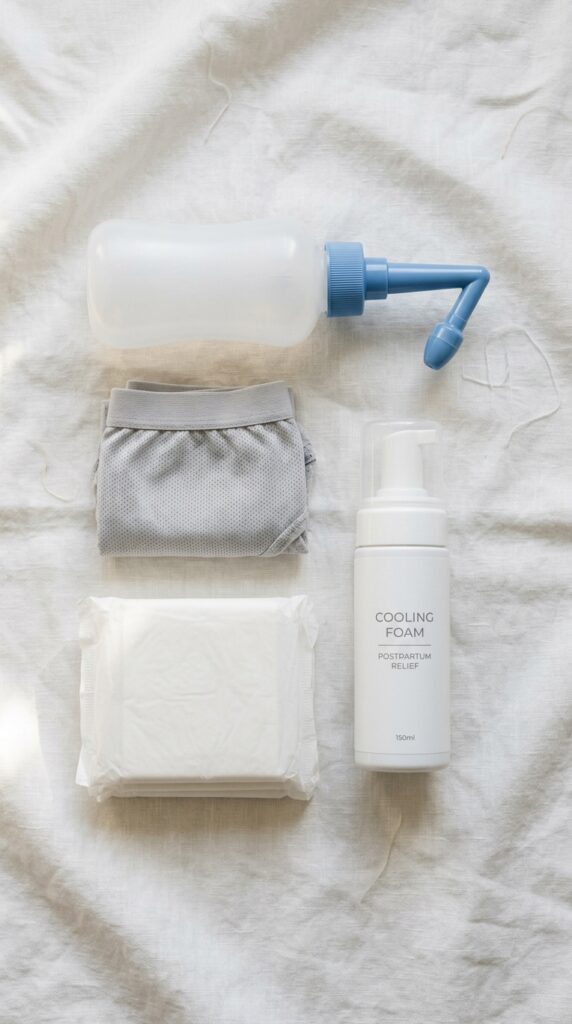
The Frida Mom postpartum line has become the gold standard for postpartum recovery essentials and for genuinely good reason. Their peri bottle, perineal foam, disposable underwear, and sitz bath solution are all designed specifically for postpartum bodies and are genuinely worth the investment. The Frida Mom postpartum recovery kit is one of the most comprehensive and well-designed postpartum kits available.
Once your body starts healing, gentle movement is the next important step — this complete guide on the beginner’s guide to postpartum fitness when and how to start safely will help you ease back into exercise in the safest and most effective way possible for your recovering body
Postpartum Recovery Kit Essentials — Emotional Wellbeing
A journal. Postpartum emotions are enormous and complex. Having a journal beside your bed gives you somewhere to process those feelings — the overwhelming love, the unexpected grief, the anxiety, the pride, the exhaustion. Writing things down helps.
Entertainment for night feeds. Downloaded shows, audiobooks, podcasts, and playlists all make the 2am and 4am feeds significantly more bearable. Have these ready before baby arrives.
A list of support contacts. Your partner, your mom, your best friend, your doctor, a lactation consultant, a postpartum therapist. Know who you are going to call before you need to call them.
Postpartum Recovery Tips That Actually Help
1. Rest Is Your Most Important Job Right Now
Everything else can wait. The dishes, the thank-you cards, the laundry, the visitors. Your most important job in the first two weeks of postpartum recovery is resting.
Sleep when the baby sleeps — yes, this advice is clichéd because it is genuinely true and genuinely important. Even twenty-minute naps make a measurable difference to your recovery, your mood, and your ability to function. Ask for help with night feeds when you need it. Lower every standard. Rest is not laziness — it is healing.
2. Nourish Your Body Like Recovery Depends on It — Because It Does
Postpartum nutrition is one of the most underrated aspects of postpartum recovery. What you eat directly impacts your energy, your healing, your mood, and if you are breastfeeding, your milk production.
Focus on protein — eggs, Greek yogurt, lean meat, lentils, and legumes support tissue repair and sustained energy. Iron-rich foods prevent postpartum anaemia which is one of the most common causes of extreme postpartum fatigue — red meat, spinach, and fortified cereals. Healthy fats from avocado, nuts, and olive oil support hormone balance. Complex carbohydrates from oats, sweet potatoes, and whole grains give you steady energy throughout the day.
Hydrate constantly. If you are breastfeeding you need significantly more water than you think. Keep a large water bottle beside wherever you feed the baby and make a rule — every time the baby feeds, you drink.
Postpartum freezer meals prepared before your due date are genuinely one of the most impactful things you can do for your recovery. Having real nourishing food ready to heat and eat removes one of the biggest stressors of the early postpartum period.
3. Move Gently — Your Body Is Ready When You Are
There is no timeline you need to hit. There is no six-week mark at which you are expected to bounce back. Postpartum recovery is individual, personal, and non-linear.
In the first two weeks, gentle movement means short walks around the house, gentle stretching, and pelvic floor exercises. Deep breathing exercises help reduce swelling and reconnect you to your core. A short gentle walk outside — even ten minutes — improves circulation, mood, and energy in a way that is almost immediate.
After your six-week postpartum check-up and when your healthcare provider clears you, gentle postpartum yoga is one of the most beneficial forms of movement for postpartum recovery. It addresses the physical — rebuilding core strength and pelvic floor function — and the emotional — giving you a dedicated space to slow down and breathe.
Always listen to your body. Increased bleeding, pain, or extreme fatigue after movement are signals to slow down and rest more.
4. Protect Your Emotional Health With the Same Urgency as Your Physical Health
Postpartum emotions are not a footnote to physical recovery — they are an equally important and equally complex part of the postpartum care picture.
Hormones drop dramatically in the days after birth and the resulting emotional experience ranges from the common baby blues — sadness, tearfulness, and mood swings in the first two weeks — to postpartum depression and postpartum anxiety which affect a significant number of new moms and require professional support.
Be honest about how you are feeling. Talk to your partner, your doctor, or a therapist. Join a postpartum support group in person or online. Do not suffer in silence because you think you should be feeling differently than you do.
Self-care is not a luxury in postpartum recovery — it is essential maintenance. A warm shower, ten minutes of quiet, a conversation with someone who makes you feel understood. These small things matter enormously in the context of postpartum care.
5. Accept Help — All of It
This is the postpartum recovery tip that most moms struggle with most and it is the one that makes the biggest practical difference. Accept every offer of help. Ask for help when no one is offering. Be specific about what you need — a cooked meal, a load of laundry done, someone to hold the baby so you can shower.
You do not have to do this alone. Postpartum recovery is not a solo sport and the myth of doing it all independently is one of the most damaging things we have culturally accepted about new motherhood. Let people help you. It is not weakness — it is wisdom.
Postpartum C-Section Recovery
Postpartum C-section recovery requires specific and additional care beyond vaginal birth recovery — and it is important to understand that a C-section is a major abdominal surgery. The recovery is real, significant, and deserves to be taken seriously.
Incision care. Keep your C-section incision clean and dry. Pat — never rub — the area dry after showering. Watch for signs of infection — increased redness, warmth, swelling, discharge, or fever — and contact your healthcare provider immediately if any of these occur.
Pain management. Stay ahead of the pain by taking your prescribed pain medication on schedule rather than waiting until you are in significant discomfort. This is not about being tough — it is about managing your recovery effectively.
Movement restrictions. Do not lift anything heavier than your baby for the first six weeks. Avoid stairs when possible in the first week. Get up and down slowly, using your arms to support yourself rather than engaging your abdominal muscles. These restrictions are not suggestions — they protect your incision and support proper healing.
Support your incision. When you laugh, cough, or sneeze hold a small pillow or folded blanket against your incision for counter pressure. This is one of the most immediately effective postpartum C-section recovery tips and one you will use constantly in the first few weeks.
Scar massage. After your incision is fully healed — typically around six to eight weeks — gentle scar massage helps break down scar tissue, reduces sensitivity, and improves the appearance of the scar over time. Ask your healthcare provider to show you the correct technique.
Watch for signs of complications. Blood clots are a particular risk after C-section. Signs include leg pain, swelling, redness, or warmth in one leg, or sudden shortness of breath. Seek emergency care immediately if any of these occur.
The Frida Mom postpartum recovery line includes products specifically designed for C-section recovery — their postpartum underwear sits below the incision line rather than on it which makes an enormous difference to comfort in the early postpartum period.
A Simple Daily Schedule for Postpartum Recovery
Consistency — even in very small steps — helps rebuild energy and establish a rhythm during postpartum recovery. Here is a simple flexible framework to work with:
Morning: Drink a full glass of water before anything else. Eat a protein-rich breakfast — eggs, Greek yogurt, or overnight oats. Take your postpartum vitamins. Open the curtains and let natural light in.
Mid-morning: Rest or nap if the baby permits. A twenty-minute nap is genuinely restorative. Do not feel guilty about this. Rest is recovery.
Afternoon: A short gentle walk outside if you feel up to it. A nourishing snack. A few minutes of gentle stretching or pelvic floor exercises. Some form of connection — a phone call with a friend, a text to your support system, five minutes of journaling.
Evening: A warm shower or bath. A relaxing routine that signals to your body that it is time to wind down. A light dinner. Get to sleep as early as possible.
Night: Sleep as much as your baby’s schedule allows. If you have support, ask your partner or a family member to take a night feed so you can have one longer stretch of sleep. Even one longer sleep period makes a measurable difference to how you feel the next day.
When to Seek Help During Postpartum Recovery
Some postpartum symptoms require immediate medical attention. Do not wait and do not hesitate to call your healthcare provider or go to the emergency room if you experience any of the following.
Physical warning signs: Heavy bleeding that soaks more than one pad per hour for two consecutive hours. Fever above 100.4°F. Severe abdominal pain. Signs of blood clots — leg pain, swelling, redness. Signs of infection at your perineum or C-section incision — increasing pain, redness, discharge, or fever.
Emotional warning signs: Persistent sadness or depression that does not improve after the first two weeks. Inability to sleep even when the baby sleeps. Intrusive or frightening thoughts. Feeling detached from your baby. Severe anxiety or panic attacks. Thoughts of harming yourself or your baby.
Postpartum depression and postpartum anxiety are medical conditions — not character flaws, not personal failures, not signs that you are not a good mother. They are common, they are treatable, and they require professional support. Please reach out.
FAQ: Postpartum Recovery
How long does postpartum recovery take? Most physical postpartum recovery takes six to eight weeks for vaginal births and eight to twelve weeks for C-section recovery. However, full recovery — including core and pelvic floor rehabilitation — often takes six months to a year. Every body is different and every recovery is individual.
What are the most important postpartum recovery essentials? A peri bottle, postpartum pads or adult diapers, witch hazel pads, stool softeners, a postpartum belly wrap, ice packs, nursing pads and nipple cream, and postpartum vitamins are the most important postpartum recovery essentials to have ready before your due date.
What is the Frida Mom postpartum recovery kit? The Frida Mom postpartum recovery kit is a comprehensive postpartum care collection that includes a peri bottle, perineal cooling foam, disposable postpartum underwear, and a sitz bath solution. The Frida Mom postpartum line is widely considered the gold standard for postpartum recovery products and is particularly beloved by new moms for its thoughtful and practical design.
What is postpartum C-section recovery like? Postpartum C-section recovery involves caring for your abdominal incision, managing pain with prescribed medication, avoiding lifting anything heavier than your baby for six weeks, moving slowly and carefully, and watching for signs of infection or complications. C-section recovery typically takes longer than vaginal birth recovery and requires specific additional care.
How do I know if I have postpartum depression? Postpartum depression symptoms include persistent sadness or low mood that does not improve after the first two weeks, inability to sleep even when tired, detachment from your baby, intrusive thoughts, severe anxiety, and difficulty functioning in daily life. If you are experiencing these symptoms please contact your healthcare provider immediately. Postpartum depression is treatable and help is available.
What should I eat during postpartum recovery? Focus on protein, iron-rich foods, healthy fats, complex carbohydrates, and plenty of water. Postpartum freezer meals prepared in advance, easy one-handed snacks, and herbal teas that support healing and milk production are all important parts of postpartum nutrition. Good nutrition directly supports your energy, healing, and emotional wellbeing during postpartum recovery.
Final Thoughts
Postpartum recovery is not about bouncing back. It is not about returning to who you were before. It is about healing — slowly, gently, completely — into the person you are becoming as a mother.
Your body just did something extraordinary. Give it the time, the nourishment, the rest, and the care that it genuinely deserves. Stock your postpartum kit before your due date. Accept every offer of help. Protect your emotional health with the same seriousness as your physical health. And be patient — endlessly, compassionately patient — with yourself.
You are not just recovering from birth. You are stepping into one of the most significant chapters of your entire life. And you deserve to do that feeling supported, nourished, and genuinely cared for.
You have got this, mama.