Standing in the vitamin aisle staring at twenty different prenatal bottles is its own special kind of overwhelming. Gummy or capsule, with or without DHA, budget or premium, and somehow they all claim to be “complete.” This guide breaks down what actually matters when choosing among the best prenatal vitamins and best pregnancy vitamins, so you can walk in (or shop online) knowing exactly what to check for. If gummies are more your speed, these 7 best gummy prenatal vitamins for 2026 are worth a look before you decide.
Quick answer: When looking for the best vitamins for pregnancy or figuring out the best prenatal vitamins to take, look for a prenatal that covers folate (ideally as methylfolate), iron, choline, DHA, iodine, and vitamin D at levels that meet or exceed guidelines from the American College of Obstetricians and Gynecologists. Beyond that, the “best” one is really the one you’ll actually take consistently without it upsetting your stomach.
This isn’t medical advice, and it’s not a ranking of specific products. Always run your choice by your OB-GYN or midwife before starting any prenatal vitamin, they’ll know your individual bloodwork and history.
In this article:
What Actually Makes a Prenatal Vitamin Good
A lot of “best prenatal vitamins” lists focus on packaging and price, but the real differentiator is what’s actually inside and at what dose. A genuinely strong pregnancy vitamin generally checks these boxes:
Folate or folic acid at an adequate dose. This is the nutrient most closely tied to preventing neural tube defects, and it’s the one thing you don’t want to skip or shortchange. Many providers recommend starting a folate-containing prenatal vitamin before conception if you’re trying to get pregnant.
Choline included, not just an afterthought. Choline has become one of the most talked-about prenatal nutrients recently, and for good reason, it supports fetal brain development, but most standard multivitamins (prenatal or otherwise) fall short of recommended amounts. If you’ve been wondering what choline actually does, it’s a nutrient your body uses to build cell membranes and support your baby’s developing brain and spinal cord, and most diets alone don’t supply enough of it during pregnancy.
Iron in a form your stomach can tolerate. Iron needs increase significantly during pregnancy, but iron is also the ingredient most likely to cause nausea or constipation. Gentler forms (like iron bisglycinate) exist specifically for this reason.
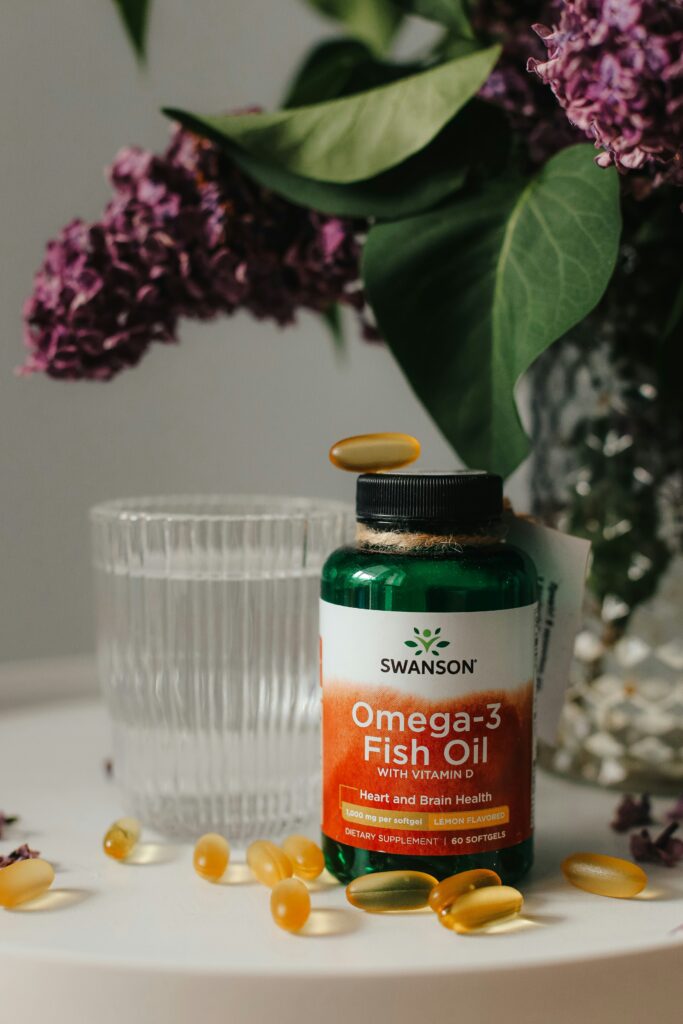
DHA, either included or as a separate capsule. This omega-3 fatty acid supports your baby’s brain and eye development. Some prenatal vitamins include it directly, others pair a multivitamin with a separate DHA softgel.
Third-party testing or certification. Since supplements aren’t as tightly regulated as medications, a seal from an independent testing body (like USP or NSF) adds real confidence that what’s on the label matches what’s in the bottle. If you want a broader look at nutrition beyond just the prenatal bottle, these top vitamins and minerals moms shouldn’t skip cover the bigger picture too.
Best Prenatal Vitamins by Category
Rather than crowning one single “best” pick, it’s more useful to think in categories, since what works best really depends on your specific needs.
Best for easing first-trimester nausea:
If mornings (or all-day) sickness is rough, look for a gentle formula with lower iron doses or iron-free daytime options paired with a separate iron supplement taken at a different time. Smaller capsules or chewables tend to sit easier too.
Best budget-friendly option: You don’t need the most expensive bottle on the shelf to get solid nutrition. Plenty of drugstore-brand prenatals meet ACOG-recommended nutrient levels for a fraction of the price of premium subscription brands.
Best for taste and ease of taking:
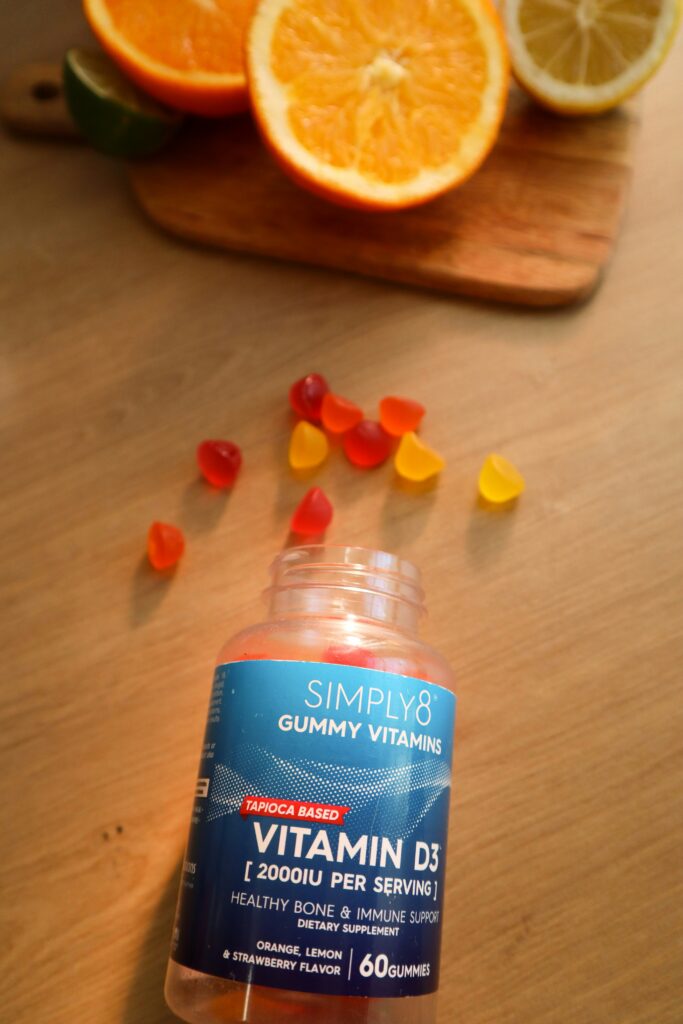
Gummy prenatals have gotten a lot more popular for exactly this reason, they’re easier to get down when swallowing pills feels impossible. The tradeoff is that gummies often lack iron since it doesn’t gummy well, so you may need a separate iron supplement alongside one.
Best for choline coverage:
Since choline is one of the nutrients most commonly underdosed in standard prenatals, look specifically for brands that call out their choline content on the front label rather than burying it in fine print, it’s usually a good sign the brand prioritized it intentionally.
Best all-in-one with DHA included:
If you’d rather not manage a separate DHA capsule, look for a prenatal that includes it directly in the same softgel or pack, even if that means a slightly larger pill to swallow.
Prenatal Vitamins vs. Regular Multivitamins
A regular multivitamin genuinely isn’t a substitute here. Pregnancy vitamins are formulated with higher folate, iron, and iodine specifically because your needs shift so much once you’re pregnant, a standard multivitamin usually falls short on at least one of these, often several.
When to Start Taking a Prenatal Vitamin
Most providers recommend starting a prenatal vitamin before you’re even pregnant if you’re trying to conceive, since neural tube development happens incredibly early, often before a positive test even shows up. If pregnancy comes as a surprise, starting as soon as you find out is still genuinely worthwhile.
Frequently Asked Questions
What are the best prenatal vitamins for pregnancy? The best prenatal vitamins for pregnancy are the ones that meet ACOG-recommended levels of folate, iron, choline, DHA, and iodine, and that you can take consistently without severe nausea. There’s no single universal winner, it depends on your body and your trimester.
What is choline, and why do prenatal vitamins need it? Choline is a nutrient that supports your baby’s brain and spinal cord development. Many standard prenatal vitamins historically included very little of it, which is part of why choline prenatal formulas have become more sought after recently.
Do I need folic acid or folate specifically? Both work, but methylfolate (the active form) may be better absorbed for people with certain genetic variations affecting folate metabolism. Your doctor can advise on which form makes sense for you.
Can I take a gummy prenatal instead of a pill? Yes, but check the label carefully, most gummy prenatal vitamins lack meaningful iron, so you may need to pair it with a separate iron supplement depending on your bloodwork.
Final Thoughts
The best prenatal vitamin isn’t necessarily the priciest bottle or the one with the flashiest packaging, it’s the one that covers the nutrients that actually matter and that you can realistically take every day without it wrecking your stomach. Bring your options to your next appointment and let your provider weigh in based on your own bloodwork and history.
And once baby arrives, your nutritional needs don’t just stop, they shift again. This guide on best postpartum vitamins for breastfeeding recovery is worth bookmarking for later, alongside this complete guide to postpartum healing for everything else that comes after.